All Categories
Featured


Home Care For Alzheimer's Patients Mecca
Table of Contents
- – Innovative Senior Care
- – What Is In-Home Alzheimer's Care and Why Does ...
- – Understanding the Basics of Dementia Care at ...
- – How It Differs from Facility-Based Memory Care
- – Key Benefits for Early and Mid-Stage Alzheim...
- – Common Reasons Families Choose Home-Based Sup...
- – Preserving Familiar Routines and Independence
- – What Are the Early Signs of Alzheimer's and Wh...
- – Recognizing Warning Signs in Daily Life
- – Memory Lapses vs Normal Aging
- – Behavioral Changes That Signal Need for Help
- – Timing Your Decision for Home Support
- – Family Caregiver Burnout Indicators
- – How Much Does In-Home Alzheimer's Care Cost in...
- – Breaking Down Hourly and Monthly Rates
- – Comparison to Facility Memory Care Costs
- – Factors Influencing Your Personalized Quote
- – Add-Ons Like Medication Reminders or Respite
- – What Are the Stages of Alzheimer's and How Doe...
- – Early-Stage Support for Independence
- – Cognitive Stimulation and Companionship
- – Mid-Stage Focus on Safety and Routines
- – Wandering Prevention Strategies
- – Daily Living Assistance Details
- – Late-Stage Compassionate Care
- – Palliative and Emotional Wellness
- – How Can In-Home Alzheimer's Care Keep Your Lov...
- – Essential Home Safety Assessments
- – Fall Prevention and Mobility Support
- – Wandering and Emergency Prevention
- – Daily Wellness Checks and Response Setup
- – Home Modification Recommendations
- – What Specialized Services Are Included in Top-...
- – Personal Care and Daily Assistance
- – Hygiene, Grooming, and Mobility Aid
- – Cognitive and Lifestyle Engagement
- – In-Home Art/Music Therapy and Activities
- – Respite and Family Caregiver Support
- – Training and Emotional Wellness Workshops
- – Why Choose In-Home Over Other Alzheimer's Care...
- – Key Comparisons Table Guidance
- – Addressing Common Concerns
- – Real Families Share Their Experiences with In-...
- – Stories of Reduced Worry and Maintained Joy
- – We Can Help! Contact Us Today
- – Frequently Asked Questions About In-Home Alzhe...
- – Innovative Senior Care
Innovative Senior Care
77564 Country Club Dr Ste 228/230 Palm Desert, CA 92211(760) 469-4999
Innovative Senior Care
In-home Alzheimer's care provides tailored non-clinical assistance right into the residence for individuals experiencing Alzheimer's disease or related forms of dementia. This model emphasizes social presence, routine help, protective supervision, and mental comfort, permitting loved ones to stay in a comforting environment that often reduces disorientation, restlessness, and emotional fluctuations. Caregivers frequently look for this solution to prevent the upset of transition while addressing progressing needs through tailored routines and trained help. As noted by the Alzheimer's Association, continuing in a recognized setting can lower tension and support superior quality of life compared to unfamiliar facilities. Guidance from the National Institute on Aging highlights how steady in-residence support preserves independence longer, lightening family pressures through respite and structured assistance. This thorough care model covers the full range from medication reminders and mobility aid to cognitive activities and wandering prevention, positioning it a sensible choice for a great number in Coachella Valley communities and surrounding areas.
The heartfelt strain on spouses, grown sons and daughters, and near family members can feel overwhelming—persistent worry about security, remorse over limitations, fear that a loved one’s essence is fading, and the sheer exhaustion of shouldering it all independently. However in-home Alzheimer's care provides optimism by maintaining habits intact, setting comforting, and connections strong. It transforms worry into controllable support, allowing valued moments without continual anxiety. This journey resonates with what many families seek: kind-hearted solutions that honor dignity and independence while delivering dementia care at home. To learn more into how families are finding balance, check out our testimonials from Coachella Valley families.
What Is In-Home Alzheimer's Care and Why Does It Matter?
In-home Alzheimer's care means trained non-medical support given by assistants who arrive at the elder’s residence to help with daily needs while considering the person’s choices, background, and pace. In contrast to facility-based programs, this support approach maintains the person in the surroundings they know best—encircled by their own items, usual patterns, and sensory cues that help ground memory and decrease disorientation. Assistants provide companionship services, soft reminders, protective oversight, and direct help with tasks that turn hard, all while promoting heartfelt bonds and dignity. The significance lies in its ability to postpone or prevent the need for facility living, which numerous families find heart-wrenching and costly.
Understanding the Basics of Dementia Care at Home
Dementia care at home is built around person-centered principles—addressing the individual where they are rather than applying strict protocols. Support strategies adjust to fluctuating symptoms, including versatility that facility settings rarely match. This approach supports not only bodily requirements but also psychological and interpersonal wellness, which are commonly missed in larger care environments. To learn more specifics on how we pair caregivers to individual situations, explore our guide to senior care offerings.
How It Differs from Facility-Based Memory Care
In-home support avoids the stress of moving, unknown people, and shared living spaces that can trigger worsened bewilderment or resistance. Studies regularly shows lower agitation levels when individuals continue in known environments. Residential programs often involves collective programs and uniform timetables that frequently do not align with personal preferences. By comparison, in-home Alzheimer's care offers personalized interaction and total adaptation. Caregivers keep influence over daily patterns, guests, and food preparation—elements that significantly impact ease and behavior.
Key Benefits for Early and Mid-Stage Alzheimer's
In early and mid-stages, the focus continues on maintaining mental sharpness and independence. Regular companionship and cognitive stimulation activities help sustain cognitive clarity, while discreet assistance avoids irritation from forgotten tasks. This forward-thinking support often delays advancement of need, enabling more meaningful time with family. A large number report enhanced disposition and less frequent outbursts when care takes place in the home setting.
Common Reasons Families Choose Home-Based Support
Caregivers choose dementia care at home to honor a loved one’s desire to stay in their own space, escape the emotional trauma of moving, and maintain influence over daily life. The flexibility to blend care effortlessly into established habits makes it attractive for those managing work, other children, or self-care. Pricing adaptability also plays a role—part-time support can be less expensive than constant facility living.
Preserving Familiar Routines and Independence
Routines provide stability and comfort, decreasing anxiety in people with memory impairment. When support providers respect usual habits—dining schedules, bedtime rituals, favorite chairs—people feel more secure and less confused. Self-reliance is bolstered through reinforcement rather than takeover, fostering self-worth and delaying decline. This balance is a key element of effective in-home Alzheimer's care.
Research findings from the Alzheimer's Association indicates that individuals who remain at home with suitable support encounter reduced emergency admissions related to conduct emergencies. The heartfelt benefit for families is substantial—fewer self-blame feelings, greater cherished interactions, and reclaimed strength. In-home Alzheimer's care spans the gap between doing everything alone and facility placement, presenting a practical alternative that respects both safety and heart. If this feels familiar with your situation, visit our who we are section to find out more about our method. Consider reviewing real experiences on our client feedback area.
What Are the Early Signs of Alzheimer's and When to Consider In-Home Care?
Timely identification of Alzheimer's disease signs empowers families to implement support before well-being becomes compromised or family exhaustion sets in. In-home Alzheimer's care is commonly the perfect first step when autonomy is still strong but assistance would prevent future crises. Spotting changes early enables for more seamless integration of help while protecting dignity.
Recognizing Warning Signs in Daily Life
Recall difficulties, poor choices, and emotional changes often appear gradually and can be mistaken for normal aging at first. Tracking patterns over weeks or months helps distinguish problematic shifts from temporary stress or fatigue. Watching how these influence daily function provides the clearest picture.
Memory Lapses vs Normal Aging
Temporary lapses is common, but consistent forgetting of recent information, difficulty following conversations, or leaning strongly on reminders for normal duties signals more than ordinary age-related change. Regularly losing things and being lost on retracing actions is another warning sign. These trends disrupt normal independence and justify professional evaluation.
Behavioral Changes That Signal Need for Help
Restlessness, apathy, withdrawal from social activities, or unexpected paranoia can emerge as the disease affects emotional regulation. Poor decision-making, such as dressing unsuitably or ignoring personal care, often goes along with these shifts. Dangerous conduct—leaving hazards active or wandering in known areas—signal immediate support needs.
Timing Your Decision for Home Support
The ideal point changes by family, but primary signals include safety risks, rising helper fatigue, or frequent occurrences that generate worry. Bringing in care early stops worsening and allows the individual to adjust gradually to assistance. Delaying until a crisis commonly leads to rushed decisions and increased strain.
Family Caregiver Burnout Indicators
Persistent tiredness, resentment toward the caregiving role, overlooking own well-being, or experiencing disconnection are typical signals that help is needed. Helper health immediately impacts the quality of support provided—when the main helper is depleted, the whole family suffers. Spotting these signals early safeguards the entire family unit.
The NIA recommends that early intervention with home support can substantially better long-term outcomes. Intervening early upholds routines, lowers crisis frequency, and protects relationships. Easy next step: If you're noticing these signs, a conversation can help determine when and how to begin. See our Alzheimer's spouse home care setup guide for practical next steps.
How Much Does In-Home Alzheimer's Care Cost in California?
Expense openness is essential for families planning long-term support. In California, hourly rates for in-home Alzheimer's care generally range from $30 to $40 when dementia-specific expertise is required. Part-time weekly support (approximately 40 hours) commonly reaches $5,500 to $7,000 per month, though many families start with fewer hours and increase gradually as needs change. These numbers account for caregiver skill level, geographic location within the state, and any extra needs such as extended hour support.
Breaking Down Hourly and Monthly Rates
Per-hour costs accounts for the specialized skills needed to handle dementia-related behaviors safely and compassionately. Cumulative costs fluctuate significantly based on whether care is part-time, full-day, or live-in. Adaptable timing allows families to fit costs to specific demands and budgets, unlike fixed residential fees.
Comparison to Facility Memory Care Costs
Residential dementia programs in California commonly range from $7,000 to $10,000 or more per month, often with supplementary costs for higher levels of assistance. These costs encompass room and board but frequently offer reduced personal focus and demand relocation, which involves emotional and adjustment costs not reflected in the price tag. In-home support generally offers superior cost-effectiveness for families focusing on familiarity and personalization.
Factors Influencing Your Personalized Quote
Unique demands heavily affect final pricing—overnight care commands elevated fees than regular daytime assistance, while specialized behavioral support or wellness addition adds to the cost. Location factors within the service area, frequency of visits, and any required medical equipment coordination also play roles. Transparent agencies offer clear explanations so families can make informed choices.
Add-Ons Like Medication Reminders or Respite
Services such as medication reminders, respite care, or cognitive activities typically add small increases per hour or session. These targeted additions frequently prove more economical than postponing until a higher level of care becomes necessary. Relatives welcome the option to personalize without committing to unnecessary hours.
Innovative Senior Care focuses on open, no-pressure pricing discussions so families can plan confidently. Soft CTA: Contact us for a complimentary personalized estimate that fits your specific situation. For a broader look at senior care pricing, see our in-home senior care cost overview.
What Are the Stages of Alzheimer's and How Does Home Care Adapt?
Alzheimer's disease progresses through expected yet personal stages, and excellent in-home Alzheimer's care evolves alongside those changes to provide precisely the needed amount of assistance at each point. This responsiveness guarantees needs are met without providing too much or too little, maintaining as much self-reliance and dignity as possible throughout the journey.
Early-Stage Support for Independence
During initial stages, memory challenges are minor and most routine activities stay intact. Assistance centers on gentle reminders rather than takeover.
Cognitive Stimulation and Companionship
Involving in meaningful conversations, memory-sharing exercises, and mild cognitive challenges helps sustain brain resilience. Emotional connection fights the retreat that often goes with early memory changes, preserving emotional connections and mood stability.
Mid-Stage Focus on Safety and Routines
When self-reliance lessens, safety risks grow and habits become even more important for clarity and calm.
Wandering Prevention Strategies
Environmental modifications, exit watching, and consistent supervision lower wandering incidents without restricting freedom unnecessarily. Assistants understand individual patterns to respond ahead of time.
Daily Living Assistance Details
Practical support with showering, dressing, and food setup maintains hygiene and nutrition while permitting preference in how tasks are completed. Gentle prompting supports existing skills rather than replacing them.
Late-Stage Compassionate Care
In advanced stages, physical demands increase while interaction diminishes, changing focus to ease and presence.
Palliative and Emotional Wellness
Gentle touch, relaxing melodies, familiar scents, and quiet companionship offer comfort when words fail (Home Care For Alzheimer's Patients Mecca). Comfort care arrangement and comfortable placement assist physical ease
Data from reputable sources demonstrates that progression-adapted home care substantially betters comfort and decreases hospital admissions related to conduct emergencies. Soft CTA: Discover how stage-specific solutions can support your loved one’s unique journey. To explore care plan adjustments, see our guide to memory care at home in Coachella Valley.
How Can In-Home Alzheimer's Care Keep Your Loved One Safe at Home?
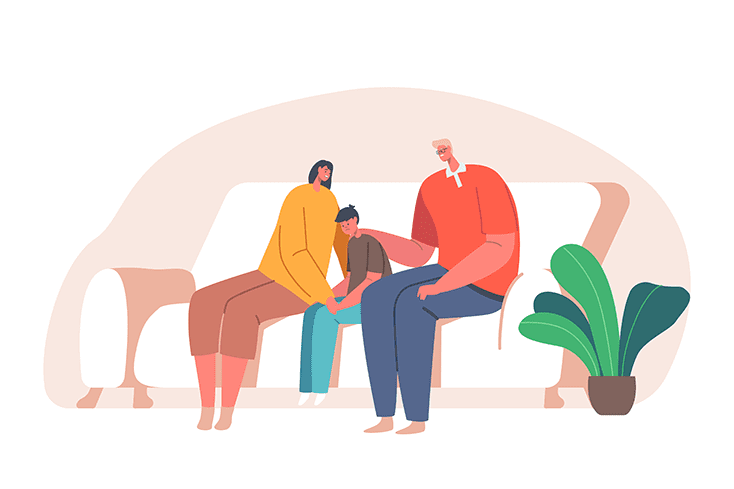
Residence security forms the foundation of effective dementia care, particularly as decision-making and perception decline. Trained in-home Alzheimer's care carefully identifies and mitigates risks while maintaining as much autonomy as prudently possible.
Essential Home Safety Assessments
Detailed inspections assess brightness, surfaces, hygiene area access, cooking dangers, and access ways. suggestions are prioritized by risk level and simplicity of setup.
Fall Prevention and Mobility Support
Removing throw rugs, adding support handles, increasing brightness in corridors and stairways, and supplying walking devices greatly reduce fall risk—the top cause of injury among seniors with dementia. Assistants offer practical support during movement to promote security and stop incidents.
Wandering and Emergency Prevention
Roaming influences up to 60% of people with dementia at some point, making prevention strategies vital even in early stages.
Daily Wellness Checks and Response Setup
Consistent visits, medical alert systems, and neighbor/family communication plans provide fast assistance to any issue. Assistants track patterns to refine prevention approaches continuously.
Home Modification Recommendations
Practical modifications—safe walkways, contrasting colors on steps, protected storage for risks, and locked entries and exits—create a safer living space without facility appearance. Numerous changes are inexpensive and temporary.
Johns Hopkins research indicates that specific residence protection measures can decrease dementia-related injuries by significant margins. Soft CTA: Learn how a professional safety assessment can protect your loved one. For actionable advice, check our senior home safety evaluation instructions.
What Specialized Services Are Included in Top-Rated Dementia Care at Home?
Outstanding in-home Alzheimer's care goes far beyond basic assistance to feature focused therapies that manage the specific issues of dementia while bolstering overall wellness.
Personal Care and Daily Assistance
Respectful help with personal routines preserves dignity and stops health complications from neglect.
Hygiene, Grooming, and Mobility Aid
Soft support with bathing, oral care, attire, and protected mobility maintains cleanliness and stops health concerns. Assistants are prepared to offer help in ways that maintain dignity and support self-care whenever possible.
Cognitive and Lifestyle Engagement
Intellectual and interpersonal engagement continue vital across all stages to maintain function and mood.
In-Home Art/Music Therapy and Activities
Creative expression through art or music commonly overcomes language barriers and recalls positive memories. Planned yet versatile engagement combat boredom and depression while delivering purpose.
Respite and Family Caregiver Support
(Home Care For Alzheimer's Patients Mecca)Caregivers require sustainable support to maintain providing love and oversight without burnout. (Home Care For Alzheimer's Patients Mecca)
Training and Emotional Wellness Workshops
Education on dementia progression, behavior management, and personal wellness equips families. Regular respite allow caregivers to recharge, bettering the quality of interaction when they return.
These targeted elements establish truly comprehensive support that addresses body, mind, and spirit. Soft CTA: Explore how these tailored services can meet your family’s specific needs. Visit our guide to cognitive stimulation at home for more ideas.
Why Choose In-Home Over Other Alzheimer's Care Options?
Reviewing assistance options shows distinct benefits of home-based support for many families, especially when heartfelt connection and personalization matter most.
Key Comparisons Table Guidance
| Aspect | In-Home Alzheimer's Care | Typical Facility Care |
|---|---|---|
| Familiar Environment | Maintained – reduces confusion | Changed – different environment frequently raises anxiety |
| Personalization | Strong – individualized customized to unique life | Limited – group activities and standardized care |
| Cost Flexibility | Adaptable – only charged for required time | Set – complete monthly fee no matter hours used |
| Family Involvement | High – relatives stay integral to routines | Reduced – organized contact and routines |
| Emotional Continuity | Preserved – known faces, locations, habits | Tested – adjustment to new staff and peers |
Addressing Common Concerns
Questions about consistency, preparation, and trustworthiness are legitimate but mitigated through thoughtful pairing, ongoing supervision, and transparent updates. Numerous families learn home care goes beyond expectations once the proper assistance is in place.
Research regularly favors home-based care for psychological and mental results when safety can be maintained. Soft CTA: Compare your options with informed guidance. Explore real family experiences on our client stories section.
Real Families Share Their Experiences with In-Home Alzheimer's Care
Caregivers who have walked this path frequently share significant ease and reclaimed bonds after implementing professional support. Their stories highlight the practical effect of compassionate, consistent care.
Stories of Reduced Worry and Maintained Joy
Susan from Palm Desert said: "Before care started, I was worried to leave Mom alone even for an hour. Today I can run errands knowing she's secure and content with her caregiver. We share laughter once more." Michael in Rancho Mirage remarked: "Dad was becoming withdrawn and upset. The perfect caregiver restored his stories and smiles—we have precious moments we thought were gone forever." Linda from La Quinta added: "The caregiver understood sundowning and had perfect techniques to soothe him. Peaceful nights returned."
Before professional support: endless worry disrupted life. Following structured care: regained peace and meaningful interactions. These transformations show the strength of the ideal fit. Soft CTA: Hear more stories like these during a consultation. Explore additional experiences at our family stories area.
We Can Help! Contact Us Today
The anxiety that a loved one might no longer be safe in their own home, the self-blame of feeling stretched too thin, the overwhelming responsibility of managing everything alone—these deep sentiments drive families to seek trustworthy help. Simultaneously, deep love and compassion motivate the desire to maintain them in familiar surroundings where they feel most themselves. Comfort comes when dependable support arrives, allowing families to reclaim moments of joy instead of constant vigilance. From a practical standpoint, in-home Alzheimer's care upholds familiarity to lessen confusion, delivers cost-effective flexibility compared to residential facilities, minimizes risks through professional monitoring and safety planning, and leverages local expertise for rapid, culturally attuned response throughout the Coachella Valley. The experts delivers these repeatable, high-value outcomes with over 15 years of focused experience, rigorous caregiver screening, ongoing training, and an unwavering satisfaction guarantee—helping families restore balance while enabling loved ones to thrive longer at home. Readily available in Indian Wells, Rancho Mirage, Thousand Palms, Indio, Palm Desert, La Quinta, Cathedral City, Coachella, Palm Springs, North Palm Springs, and Desert Hot Springs. 77564 Country Club Dr Ste 228/230, Palm Desert, CA 92211. (760) 469-4999. If you’re seeking professional in-home Alzheimer's care in California, Innovative Senior Care is prepared as your trusted partner. Qualified caregivers focus in in-home Alzheimer's care and a full spectrum of senior support services, delivering reliable, compassionate results tailored to your unique situation. Regardless if you’re an adult child coordinating care from afar, a spouse managing daily needs, or a family navigating complex dementia behaviors, we bring precision, consistency, and genuine care to every interaction. Free initial conversation available to discuss your needs without pressure. Supported by proven knowledge and a rock-solid Satisfaction Guarantee, we ensure your loved one receives the respect, safety, and joy they deserve. Allow Innovative Senior Care restore confidence, serenity, and quality time to your family today! Contact us now.
Frequently Asked Questions About In-Home Alzheimer's Care
How much does in-home dementia care cost in California?
Pricing usually range from $30 to $40 per hour for expert memory care assistance, creating monthly costs of approximately $5,500 to $7,000 for 40 hours weekly. Variables include helper training, needed time, and additional services such as respite. Numerous families discover this stays more economical than residential placement while providing greater flexibility. For more pricing information, check our 24/7 senior care pricing breakdown.
Is in-home care better for Alzheimer's patients?
For most individuals, yes—familiar surroundings substantially decrease confusion, agitation, and sundowning compared to new environments. It upholds independence longer, enhances emotional stability, and permits greater family involvement. Learn more about more benefits in our memory care at home guide.
What services are included in Alzheimer's home care?
Help usually covers companionship, personal hygiene assistance, medication reminders, mobility help, cognitive engagement activities, safety monitoring, and family respite. Strategies are entirely personalized to incorporate daily routines and specific behavioral needs. Check the full range at our complete service list.
When to start in-home care for dementia?
Start when safety concerns arise—wandering tendencies, forgotten meals, unsafe decisions—or when caregiver strain becomes evident. Early introduction avoids crises and permits gradual adjustment. Discover timing strategies in our when to begin senior support guide.
How to prevent wandering in Alzheimer's at home?
Proven methods involve door alarms, routine supervision, environmental modifications, and safe activity redirection. Professional caregivers apply evidence-based prevention tailored to individual patterns. Find detailed prevention tips in our wandering prevention guide.
Can someone with Alzheimer's live at home safely?
With suitable changes and consistent monitoring—yes. Home care adapts with memory decline to emphasize security while preserving comfort and dignity. Explore safety planning in our dementia home safety instructions.
What are signs you need home care for dementia?
Heightened disorientation, unsafe behaviors, neglected self-care, frequent occurrences, or family fatigue show the need for support. Identifying these early allows proactive rather than reactive intervention. Check key indicators in our when to seek respite instructions.
How to choose in-home Alzheimer's caregiver?
Prioritize on memory care expertise, consistent training, interpersonal match, and positive reviews. Careful pairing systems guarantee reliable, empathetic support. Understand selection criteria in our how to select trusted care provider resource.
What is respite care for dementia?
Respite provides temporary professional relief so family caregivers can recharge, attend to other responsibilities, while ensuring loved ones receive reliable compassionate care. Explore respite options in our respite care guide.
How does home care help with sundowning in dementia?
Organized night schedules, calming activities, reduced stimulation, and consistent caregivers lessen sundowning intensity. Trusted companions and predictable patterns provide reassurance during difficult hours. Discover management strategies in our sundowning support guide.
Innovative Senior Care
Address: 77564 Country Club Dr Ste 228/230 Palm Desert, CA 92211Phone: (760) 469-4999
Email: [email protected]
Innovative Senior Care
Alzheimer Care Mecca, CA
Home Care For Alzheimer's Mecca, CA
Senior Living Consultants Mecca, CA
In Home Alzheimer's Care Mecca, CA
Alzheimers Caregiver Mecca, CA
Assisted Living Services Mecca, CA
Services For Seniors Mecca, CA
Care For Dementia Patients Mecca, CA
Alzheimer's Caregivers Mecca, CA
Care For Dementia At Home Mecca, CA
Alzheimer Home Care Mecca, CA
Alzheimer Caregiver Mecca, CA
Alzheimers Care Mecca, CA
Alzheimer's In Home Caregiver Mecca, CA
Alzheimer Home Care Mecca, CA
Home Care For Alzheimer's Mecca, CA
Care For Alzheimer's Mecca, CA
Senior Living Consultants Mecca, CA
Alzheimer's In Home Caregiver Mecca, CA
Alzheimer's Care Mecca, CA
Alzheimer Care Mecca, CA
Care For Alzheimer's Mecca, CA
In Home Alzheimer's Care Mecca, CA
Alzheimer's Care Near Me Mecca, CA
Alzheimer's Care Mecca, CA
Alzheimer's In Home Caregiver Mecca, CA
Alzheimers Care Mecca, CA
Care For Dementia At Home Mecca, CA
Care For Alzheimer's Mecca, CA
Alzheimer Home Care Mecca, CA
Care For Dementia Patients Mecca, CA
Alzheimer's Care At Home Mecca, CA
Assisted Living Services Mecca, CA
Schizophrenia Assisted Living Mecca, CA
Alzheimer Care Near Me Mecca, CA
Care For Dementia At Home Mecca, CA
Services For Seniors Mecca, CA
Home Care For Alzheimers Mecca, CA
Home Care For Alzheimer's Patients Mecca, CA
Alzheimer Care Mecca, CA
Home Care For Alzheimer's Patients Mecca, CA
Alzheimer Home Care Mecca, CA
Services For Seniors Mecca, CA
Alzheimer's Care Mecca, CA
Care For Alzheimer's Mecca, CA
Care For Dementia Patients Mecca, CA
Alzheimers Home Care Mecca, CA
Alzheimer Care Mecca, CA
Companies Near Me Seo Services For Small Business Mecca, CA
In Seo Marketing Company Mecca, CA
Innovative Senior Care
Schizophrenia Assisted Living Mecca, CA
In Home Alzheimer's Care Mecca, CA

Table of Contents
- – Innovative Senior Care
- – What Is In-Home Alzheimer's Care and Why Does ...
- – Understanding the Basics of Dementia Care at ...
- – How It Differs from Facility-Based Memory Care
- – Key Benefits for Early and Mid-Stage Alzheim...
- – Common Reasons Families Choose Home-Based Sup...
- – Preserving Familiar Routines and Independence
- – What Are the Early Signs of Alzheimer's and Wh...
- – Recognizing Warning Signs in Daily Life
- – Memory Lapses vs Normal Aging
- – Behavioral Changes That Signal Need for Help
- – Timing Your Decision for Home Support
- – Family Caregiver Burnout Indicators
- – How Much Does In-Home Alzheimer's Care Cost in...
- – Breaking Down Hourly and Monthly Rates
- – Comparison to Facility Memory Care Costs
- – Factors Influencing Your Personalized Quote
- – Add-Ons Like Medication Reminders or Respite
- – What Are the Stages of Alzheimer's and How Doe...
- – Early-Stage Support for Independence
- – Cognitive Stimulation and Companionship
- – Mid-Stage Focus on Safety and Routines
- – Wandering Prevention Strategies
- – Daily Living Assistance Details
- – Late-Stage Compassionate Care
- – Palliative and Emotional Wellness
- – How Can In-Home Alzheimer's Care Keep Your Lov...
- – Essential Home Safety Assessments
- – Fall Prevention and Mobility Support
- – Wandering and Emergency Prevention
- – Daily Wellness Checks and Response Setup
- – Home Modification Recommendations
- – What Specialized Services Are Included in Top-...
- – Personal Care and Daily Assistance
- – Hygiene, Grooming, and Mobility Aid
- – Cognitive and Lifestyle Engagement
- – In-Home Art/Music Therapy and Activities
- – Respite and Family Caregiver Support
- – Training and Emotional Wellness Workshops
- – Why Choose In-Home Over Other Alzheimer's Care...
- – Key Comparisons Table Guidance
- – Addressing Common Concerns
- – Real Families Share Their Experiences with In-...
- – Stories of Reduced Worry and Maintained Joy
- – We Can Help! Contact Us Today
- – Frequently Asked Questions About In-Home Alzhe...
- – Innovative Senior Care
Latest Posts
Internet Marketing And Seo Services Mira Loma

Web Design And Development Services Rancho Cucamonga
Placentia Local Seo Companies Near Me
More
Latest Posts
Internet Marketing And Seo Services Mira Loma
Web Design And Development Services Rancho Cucamonga
Placentia Local Seo Companies Near Me